Creative Hobbies for Stress Relief I Keep Coming Back To
 April 20, 2026
There is something deeply comforting about keeping my hands busy.
Over the years, I have tried many different hobbies, but when I look back, most of the ones that truly stayed with me were hands-on hobbies. They were the kinds of creative hobbies for stress relief that gave me something to focus on when life felt busy, noisy, or mentally exhausting. For me, the healing part is not always about making something beautiful or impressive. It is often about the process itself. Repeating a motion, watching slow progress, and seeing a small idea take shape with my own hands can feel incredibly grounding.
Some people relax by doing nothing, but I usually feel better when I am doing something gentle and creative. I like hobbies that let me move my hands, follow my curiosity, and step away from screens for a while. That is probably why I have been drawn to so many making-based hobbies over the years. Knitting, drawing, mini crafts, needle felting, appliqué, doll clothes, miniature projects, clay, nail art, and sewing all gave me something slightly different, but they shared one important thing: they helped me slow down in a good way.
Not every hobby lasted forever, of course. Some were short phases. Some I enjoyed and then moved on from. Some I stopped and later picked up again. But even then, I noticed a pattern. I kept returning to the hobbies that made me feel calm, focused, and quietly satisfied. These are the ones I think of when I think about healing hobbies.
Table of Contents
- Why Hands-On Hobbies Feel So Healing to Me
- Why I Keep Coming Back to Making Things
- Knitting: The Hobby I Have Kept the Longest
- Drawing: A New Hobby That Changed My Mornings
- Mini Crafts: Small Projects That Bring Big Satisfaction
- What All of These Hobbies Have in Common
- If You Want a Healing Hobby, Start Small
- Final Thoughts
Why Hands-On Hobbies Feel So Healing to Me
I do not think a hobby has to be productive to be worthwhile, but I also know that I personally enjoy hobbies more when they leave me with something visible. A sketch, a knitted piece, a tiny handmade notebook, or a small project I planned and finished somehow makes me feel lighter. It is as if the stress in my head has somewhere to go.
Hands-on hobbies also create a kind of healthy concentration. When I am working with yarn, fabric, clay, or paper, my attention naturally narrows. I am not thinking about ten different responsibilities at once. I am thinking about the next stitch, the next line, the next small step. That kind of focus feels restful to me, even if I am technically still doing something.
I also like that these hobbies do not need to be loud or dramatic. They can fit into small corners of real life. A few rows of knitting. A quick drawing session in the morning. A tiny craft project I start because I want to make something useful. They remind me that joy does not always have to take the form of a big event. Sometimes it is just twenty quiet minutes with your hands occupied and your mind a little softer than before.
Why I Keep Coming Back to Making Things
I have tried a lot of hobbies over time, and most of them involved making something with my hands. That is probably not a coincidence.
I have done needle felting, appliqué by hand, doll clothes, miniatures, clay, nail art, sewing, and more. Even when the materials changed, the feeling I was chasing stayed similar. I liked the feeling of experimenting. I liked figuring things out. I liked being able to say, “What if I made this myself?” and then actually trying.
That mindset still shows up in the way I approach hobbies now. I enjoy the planning side almost as much as the making side. I like thinking about what I want to learn next, which materials I want to try, and how long a project might take. I like looking back at older work and noticing that I have improved, even if only a little. That process of trying, learning, adjusting, and making again is part of the healing for me too.
It is not about being naturally talented. It is about feeling connected to what I am doing.
Knitting: The Hobby I Have Kept the Longest
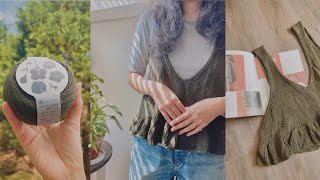
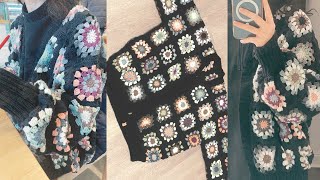
Out of all the creative hobbies for stress relief I have tried, knitting is the one that has stayed with me the longest.
That does not mean I loved it right away. I actually gave up on knitting a few times before it finally stuck. Even so, I kept coming back to it, and over time it became the hobby that stayed with me for more than five years.
At this point, knitting is more than something I do once in a while. It has become part of how I unwind, challenge myself, and create something meaningful little by little.
A Flexible Hobby
One of the reasons knitting works so well for me is that it fits into a busy life better than people might expect.
Knitted garments take time. If I am making clothing, it usually takes me at least a month, and more often around a month and a half. Sometimes I can finish faster if I focus more on weekends, but in general, it is a slow hobby for me.
Oddly enough, that is exactly why I think it works well for busy people. You do not need huge blocks of free time to enjoy it. You can make progress in small sessions, a few rows here, a little shaping there, and maybe some finishing on the weekend.
The project simply waits for you. You do not have to complete everything at once, which makes knitting feel much more flexible than it may seem at first.
Cost and Value
I also think knitting can be more affordable than people assume, especially when you consider how long you actually spend enjoying it.
There are so many knitting patterns online, and most of them are under ten dollars. Yarn for garments can definitely add up, and depending on the fiber and brand, it may cost around one hundred to one hundred fifty dollars.
Still, if you look for more budget-friendly substitutes, it is possible to bring that cost down quite a bit. In some cases, even fifty dollars can be enough.
When I think about the number of hours that go into one knitted piece, the length of time I spend enjoying the process, and the fact that I can actually wear the finished item afterward, it does not feel like a bad value to me.
📝 Related Posts in This Section →
Why Knitting Feels Worth the Time
Knitting is slow, but it gives back a lot.
There is something deeply satisfying about turning spare moments into a real object. When I look at a finished sweater or accessory, I do not just see the final piece. I also see the evenings, weekends, and little bits of time that slowly built it.
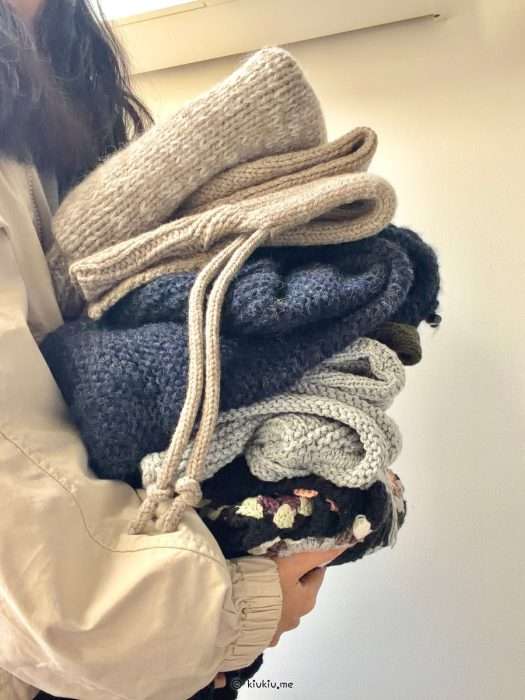
That makes the result feel personal in a way that is hard to explain unless you have had a long-form making hobby of your own.
Knitting also gives me structure without pressure. I can follow a pattern, count stitches, solve small problems, and watch progress build in a measurable way.
If life feels mentally scattered, that kind of steady progress is comforting. I may not be able to control everything else going on, but I can finish this row. I can understand this section. I can keep going.
And then there is the simple joy of using what I made. That part matters a lot to me. It is not just about crafting for the sake of crafting. It is about creating something that becomes part of my daily life.
📝 Related Posts in This Section →
Drawing: A New Hobby That Changed My Mornings
The newer hobby in my life is drawing.
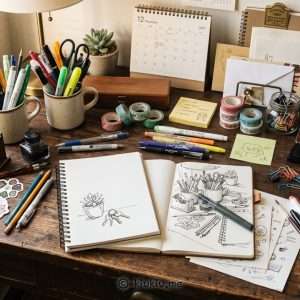
To be honest, I have never thought of myself as someone who is naturally good at drawing. Even now, I would not say I started because I felt confident. I started because I enjoy making marks with my hands. I like sketching, scribbling, and trying. I have always liked the idea of drawing, even if I did not feel especially skilled at it.
In the past, drawing could feel harder to approach as a hobby. It might have seemed like something that required formal lessons, extra time, or a bigger commitment. But now there are so many online classes and resources that it feels much more accessible. That change has made a real difference for me. Instead of feeling like I need to enroll in something big, I can simply choose a course, sit down in the morning, and practice for thirty minutes to an hour.
That has become one of my favorite parts of the day.
Lately, I have been spending my mornings listening to lessons, following along, and doing small drawing exercises. Sometimes a single piece takes longer than I expect and ends up being completed over three days. But I do not mind that. In fact, I kind of love it. It gives me something to look forward to the next morning. There is a special kind of happiness in waking up and feeling excited to continue a drawing you started the day before.
📝 Related Posts in This Section →
The Joy of Improving Slowly
What I love most about drawing right now is not mastery. It is progress.
Since I started this hobby later in life, there is definitely a part of me that sometimes wonders whether I am starting late. But that feeling does not stay very long, because I am not doing this to become perfect overnight. I am doing it because it adds energy and meaning to my mornings. It helps me begin the day in a more thoughtful and creative way.
I also enjoy the reflective side of it. I like making lists of courses I want to take. I like thinking about how long it might take me to finish a class. I like comparing my drawings from three months ago to what I can do now. Even if the progress is gradual, it is still there, and seeing that change is deeply satisfying.
Maybe one day I will be able to draw more freely in a style that feels fully my own. That would make me very happy. But even before reaching that point, drawing is already giving me something valuable. It is giving me anticipation, focus, and a reason to sit down and create.
Mini Crafts: Small Projects That Bring Big Satisfaction
The third category that feels healing to me is mini crafts.
This one is a little different from knitting and drawing because it is not always a steady, ongoing hobby in the same way. It tends to appear when I suddenly think, “I want to make this,” or “I need a version of this that works better for me.” That is often how these projects start.
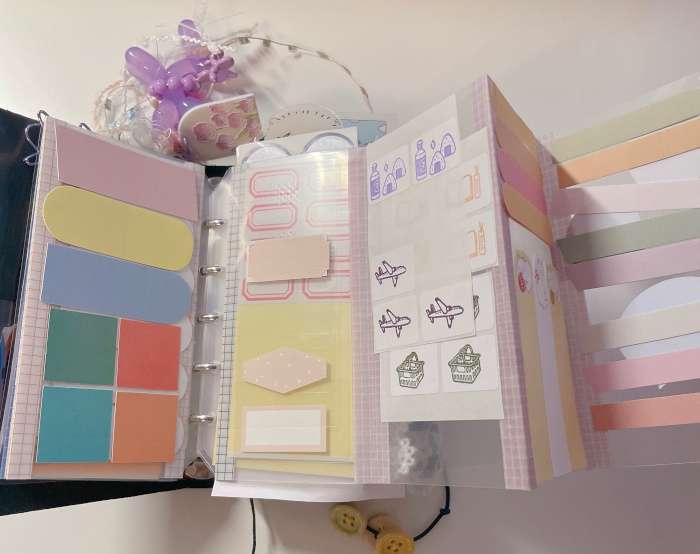
In the past, I have made things like sticker books, washi tape books, and even parts of my planner setup by hand. I enjoy small projects that let me test an idea, solve a practical problem, or make something that feels tailored to my own needs. I like the planning behind it, the experimenting, and the moment when the idea becomes real.
These projects also helped me build practical confidence. Because of them, I became more comfortable using a sewing machine and handling basic construction steps. I would not call mini crafts my most consistent hobby, but I do think of them as an important creative outlet. They are always there for me when inspiration strikes.
That is what makes them special. They do not demand constant attention. They simply wait until I am ready.
📝 Related Posts in This Section →
What All of These Hobbies Have in Common
Even though knitting, drawing, and mini crafts are different, they all give me a similar feeling.
- They keep my hands busy.
- They let me focus on one thing at a time.
- They create visible progress.
- They give me a small sense of control.
- They leave me with something I can enjoy, use, or remember.
I think that is why they feel so restorative.
When life gets full, I do not always need a huge reset. Sometimes I just need a way to return to myself for a little while. A hands-on hobby can do that. It can pull me out of overthinking and into making. It can remind me that slow progress is still progress. It can make an ordinary morning or evening feel meaningful.
I also love recording these hobbies and the process behind them. Looking back on what I made, how I learned, what I struggled with, and how my skills changed over time adds another layer of joy. The record becomes part of the hobby too. It turns fleeting moments into something I can revisit later.
If You Want a Healing Hobby, Start Small
If you are looking for creative hobbies for stress relief, I do not think you need to begin with something ambitious.
You do not need the perfect setup. You do not need a huge budget. You do not need to be naturally talented. You just need a hobby that makes you want to come back tomorrow.
That could mean learning a few basic knitting stitches and making a simple project. It could mean taking an online drawing class and practicing for twenty minutes each morning. It could mean making a tiny handmade item just because you think it would be fun or useful.
Start small enough that the hobby feels welcoming, not heavy.
A healing hobby should not feel like another burden on your schedule. It should feel like a gentle invitation. Something that gives you a little more calm, a little more excitement, and a little more space to breathe.
Final Thoughts
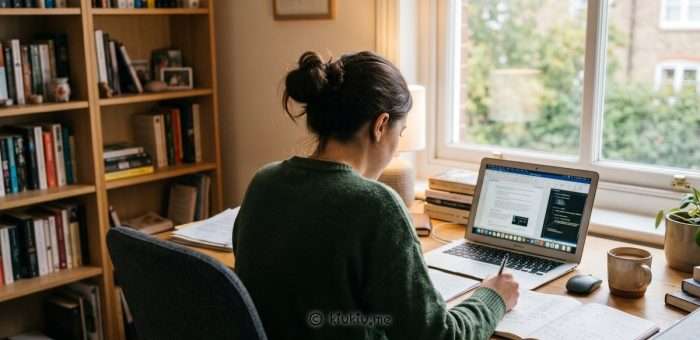
For me, the most healing hobbies have almost always been the ones that keep my hands moving.
Knitting has become my longest-lasting hobby. Drawing has brought fresh energy into my mornings. Mini crafts give me a playful way to experiment and make small things that matter to me. Together, they remind me that creativity does not have to be loud or perfect to be meaningful.
Sometimes healing looks like rest. But sometimes it looks like yarn, paper, fabric, thread, and a quiet hour with music playing in the background.
That kind of time feels precious to me now.
And maybe that is the real reason I keep coming back to these hobbies. Not because I need to be good at them, and not because I always finish quickly, but because they help me feel more like myself.
📝 Must-Try Journaling Ideas & Inspiration
- Travel Journal Ideas: 8 Creative Ways to Capture Your Trips
- Hobonichi 2027 Lineup Preview: New Covers, Collaborations & Planners
- Sourdough Journal for Home Bakers: Track Starter, Levain, and Bake in One Place
- Kids Activity Planner for Parents: A Summer Schedule for Better Home Days
- Printable Knitting Journal: For Knitters Who Want to Keep Every Project
Want to level up your journaling practice? Explore tips, prompts, and organization ideas: Browse All Journaling Tips
💆♀️ Must-Try Mental Health & Mindfulness Practices
- Morning Pages Prompts: 100-Day Journaling Challenge (Free Download)
- Start a Miracle Morning Routine: My Honest Journey
- Morning Routine for Productivity: How I Start and End My Day
- How to Reduce Social Media Time and Regain Control of Your Life
- Best Hobonichi Weeks Layout Ideas for Your Needs
Want to reduce stress and gain mental clarity? Explore mindfulness practices, journaling techniques, and simple self-care habits: Browse All Mental Health Tips
Explore More in Creativity
Latest Updates:

Featured Videos: