No Flour Diet While Traveling: How I Maintain It Without Quitting
 February 2, 2026
As we were getting ready for our last family trip of 2025, I found myself worrying about something I thought I had mostly moved past—cravings for flour-heavy foods. After weeks of intentionally cutting back, those constant urges had finally started to quiet down, and I couldn’t help but wonder what would happen once travel disrupted everything again. I knew from experience that trips tend to loosen routines, especially around food, and I was nervous about losing the progress I had worked so hard to build.
Of course, I hadn’t reached a true “no-flour” lifestyle. What I was actually practicing was closer to a low-flour, low-carb approach. Still, I was getting closer than I expected, and that mattered. This trip didn’t undo that progress, but it did force me to rethink how I manage my diet when routine disappears and food choices are no longer entirely mine.
(Disclaimer: This isn’t medical advice, but a reflection of my personal experience.)
📚 Keep Reading in This Series →
- No Flour Diet Experience: One Month Later
- No Flour Diet While Traveling: How I Maintain It Without Quitting (reading now)
- Sourdough Journal for Home Bakers: Track Starter, Levain, and Bake in One Place
Table of Contents
- Managing a Low-Flour (or No-Flour) Diet While Traveling
- What Helped Me Stay on Track (Low Carb, Not Perfect)
- Planning Restaurant Choices Ahead of Time
- Letting Go of the “Zero Flour” Rule
- Adding a Salad Before Flour-Heavy Meals
- Using Hotel Breakfast as a Stable Anchor
- Managing the Trip as a Before-and-After Cycle
- Enjoying Flour When It Was Unavoidable
- Travel Doesn’t Erase Progress
- What I Would Adjust Next Time
- Is a Low-Flour Diet Still Sustainable After Traveling?
Managing a Low-Flour (or No-Flour) Diet While Traveling
At home, managing a low-flour or no-flour diet feels straightforward. I cook most of our meals, I know what goes into my food, and I can adjust portions or ingredients the moment something feels off. Travel removes that layer of control almost immediately.
Once you’re traveling, food decisions stop being proactive and start becoming reactive. Meals are shaped by fixed schedules, shared plans, and whatever options happen to be nearby. Hunger often shows up before choice does, and by the time you’re ordering, convenience has already narrowed the field.
Restaurants also compress decisions. Instead of adjusting one ingredient at a time, you’re choosing entire dishes as they are. Even when there are alternatives, flour-heavy options tend to be the most accessible, filling, and familiar—especially when traveling with family or a child. Saying no repeatedly becomes tiring in a way that doesn’t exist at home.
What made it harder was not a lack of motivation, but the constant shift in context. Each meal required a new decision, without the support systems that normally make those decisions easier. Over time, that mental load adds up, and the challenge becomes less about food itself and more about sustaining attention and intention in an environment that doesn’t naturally support either.
What Helped Me Stay on Track (Low Carb, Not Perfect)
I knew I couldn’t control food the same way I do at home, and I didn’t want diet rules to interfere with the trip itself. Instead of trying to eat perfectly, I focused on what I could realistically do within the flow of travel—choices that helped me stay somewhat on track without adding stress or taking away from the experience.
This mindset worked for me because my goal was balance, not strict elimination. However, it’s worth saying that this approach isn’t right for everyone. If you’re cutting back on flour due to serious health issues or medical conditions, flexibility—especially while traveling—may not be appropriate. In those cases, it’s important to work with a doctor or healthcare professional and follow guidance that’s tailored to your situation.
Planning Restaurant Choices Ahead of Time
One of the most helpful habits I picked up was checking restaurant menus before we ever arrived. Google and Yelp almost always have menus available, and even a quick look helped me mentally prepare. Seeing the options ahead of time made it easier to steer us toward places with seafood, rice-based dishes, or protein-heavy meals instead of defaulting to pizza or pasta out of convenience.
Just knowing what I was walking into reduced impulse ordering and overeating. I wasn’t making decisions while hungry and overwhelmed, which is when I’m most likely to abandon my intentions.
Letting Go of the “Zero Flour” Rule
Trying to avoid flour entirely backfired for me in the past. The stricter the rule, the more likely I was to eventually overindulge. This time, I allowed myself flexibility while still avoiding meals that were overwhelmingly flour-heavy.
For example, when choosing dinner spots, we skipped places where almost everything was bread-based and instead chose restaurants with seafood options. One night, we went to a seafood paella restaurant instead of a pasta place, and the meal was so satisfying that I never felt deprived. That kind of swap made a bigger difference than I expected.
Adding a Salad Before Flour-Heavy Meals
Traveling with a child meant that pizza was unavoidable at least once. When that happened, I ordered a salad and made sure to eat it first. Starting with vegetables helped me slow down and feel full before touching the pizza, which naturally reduced how much I ate.
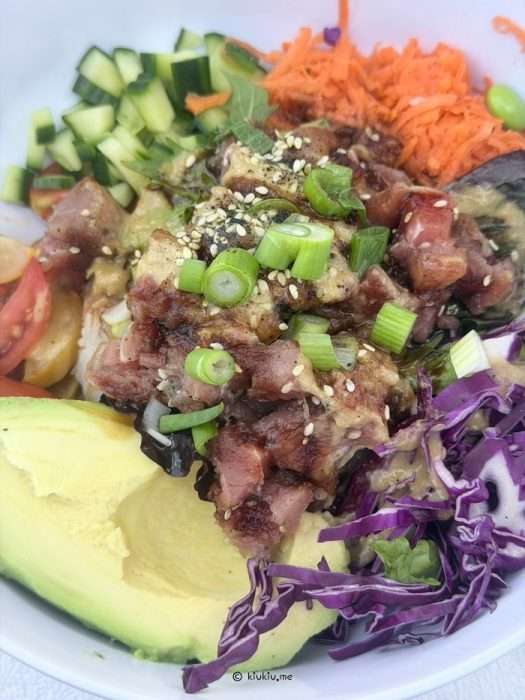
I still enjoyed the meal, but without the sluggish, regret-filled feeling that often follows. This small adjustment turned what could have felt like “falling off track” into a balanced experience.
Using Hotel Breakfast as a Stable Anchor

Hotel breakfasts ended up being one of the easiest places to stay low carb. Many breakfast buffets offer eggs, sausages, fruits, and sometimes even salads alongside bread and pastries. At our hotel, the main flour-based options were bagels and pancakes. Avoiding just those two items made breakfast feel both filling and intentional.
Starting the day with protein and fruits helped stabilize my appetite and made later meals feel less chaotic. Having at least one balanced meal each day gave me a sense of grounding, even when the rest of the day was unpredictable.
Managing the Trip as a Before-and-After Cycle
About a month before traveling, I was more intentional with my meals and reduced flour more consistently. I knew travel would be looser, so I prepared for it instead of pretending it wouldn’t matter.
After returning, I didn’t punish myself or spiral into guilt. I reminded myself that I had enjoyed food while traveling, and that was okay. Then I reset. I reviewed what worked, adjusted my plan, and created a new structure moving forward. Treating travel as part of a longer cycle—not an isolated event—made the entire process feel sustainable.
Enjoying Flour When It Was Unavoidable
Food should not be a source of stress during travel. When avoiding flour wasn’t realistic, I chose to enjoy it consciously, reminding myself, Hey, I’m on vacation. I’m allowed to enjoy this. On the day I ate pizza, I had already eaten a salad and paid attention to how my body felt. I enjoyed the pizza without guilt, knowing it was part of the experience.
My skin allergies had calmed down before the trip and flared up again after swimming in the outdoor pool, so I stayed cautious. Still, mentally, I felt fine. Conscious enjoyment felt far better than forced restriction or resentment.
Travel Doesn’t Erase Progress
One flour-heavy meal doesn’t undo weeks of intentional eating. Travel doesn’t erase progress—it simply changes the conditions. Progress during travel might look like smaller portions, fewer flour-based meals, or choosing low-carb options when available. Awareness matters more than control.
This trip taught me where my habits bend and which strategies help them hold. That information is valuable, especially if the goal is long-term change rather than short-term perfection.
What I Would Adjust Next Time
Next time, I would plan even more intentionally around travel dates. I would identify a few cuisines or dishes ahead of time that reliably work for me, and I would remind myself earlier that flexibility isn’t failure. It’s the reason this approach works at all.
I would also continue framing travel as part of the plan, not an interruption to it. That mindset alone removes so much unnecessary pressure.
Is a Low-Flour Diet Still Sustainable After Traveling?
After coming home, the cravings did creep back up a little. I think that’s inevitable—once you eat flour again after a break, your body remembers it and starts asking for it. But instead of feeling discouraged, I felt surprisingly motivated. I had held back when I needed to, enjoyed food when it made sense, and now it felt natural to say, Okay, let’s get back to it.
I didn’t jump straight into a strict routine. Between unpacking and catching up, I didn’t even grocery shop right away, so my diet wasn’t especially tight. Still, I avoided flour when I could. Even with cravings, I wasn’t afraid of them this time. I’ve seen them settle down before, and that experience made a difference.
What changed most was my mindset. Learning how to enjoy travel while still being mindful about flour made the next trip feel less intimidating. I don’t feel like I have to choose between enjoying travel and taking care of myself anymore. I can enjoy the trip, enjoy food in a way that feels right, and still return home knowing I can slowly find my rhythm again.
💆♀️ Must-Try Mental Health & Mindfulness Practices
- Creative Hobbies for Stress Relief I Keep Coming Back To
- Morning Pages Prompts: 100-Day Journaling Challenge (Free Download)
- Start a Miracle Morning Routine: My Honest Journey
- Morning Routine for Productivity: How I Start and End My Day
- How to Reduce Social Media Time and Regain Control of Your Life
Want to reduce stress and gain mental clarity? Explore mindfulness practices, journaling techniques, and simple self-care habits: Browse All Mental Health Tips
🌟 Popular Posts
- Best Summer Knitting Top Pattern: Top Sol by MochiKnits
- How I Set Up My Traveler’s Notebooks – Passport Size
- Best Hobonichi Weeks Layout Ideas for Your Needs
- Hobonichi Weeks Mega Review: Is It Worth The Hype?
Looking for fresh inspiration, practical tips, and creative ideas? Explore my most popular posts—the articles readers loved the most!
Explore More in Life Plan






Latest Updates:







Featured Videos: