Is JLPT Worth It? My Honest Reflection One Year After Passing N1
 January 12, 2026
The JLPT season rolled around again recently, and as always, my feed filled up with reactions — “Was the listening okay?”, “Reading felt impossible!”, “Why was the grammar so tricky this year?” And right alongside those reactions, I saw the same question pop up from people who are still deciding whether to start studying:
“Is JLPT actually worth it?”
Honestly, it’s a fair question. Preparing for the JLPT isn’t a quick project. It takes months of steady studying, early mornings, late nights, and more mock tests than you probably expect. Especially for N2 or N1, it really does feel like a long journey. So it makes total sense that people want to know whether they’ll ever look back and think, “I’m glad I did that.”
And if you’re studying Japanese simply because you enjoy the language or the culture — not necessarily for school or work — that question becomes even bigger. Does it still matter? Is it still meaningful?
I took the JLPT N1 in 2024 and studied alone from start to finish. Now that a full year has passed, I finally have a clear sense of what changed, how much Japanese I actually used, and whether the whole process was really worth the effort.
Here’s my honest take.
Table of Contents
- What Changed in My Life After JLPT
- How I’ve Been Using Japanese Naturally This Year
- Knitting Japanese Patterns Without Fear
- Reading, Watching, and Exploring Without Subtitles
- Picking Up New Vocabulary Through Hobbies
- The Confidence of Having a Clear Benchmark
- How JLPT Helped Me Build Real Study Discipline
- Enjoying Japanese Content Without Barriers
- How JLPT Anchored My Miracle Morning Routine
- Another Underrated Benefit: Reduced Resistance to Learning
- My Final Answer: Is JLPT Worth It?
- How I Plan to Maintain Japanese in 2026
- Looking Back, One Year Later
What Changed in My Life After JLPT
Nothing huge or dramatic happened after I passed the exam. I didn’t suddenly switch careers or move to Japan. Instead, the change was much more subtle — I felt a quiet sense of freedom. I wasn’t “studying Japanese” anymore; I was simply using it. I stopped forcing myself to memorize vocabulary every day, and I didn’t feel guilty about not opening textbooks for weeks. Japanese just slipped naturally into my hobbies.
This feeling was new to me. For years, I sat in that awkward middle space: not a beginner, but not confident either. Passing N1 didn’t magically make everything easy, but it removed the feeling that I had to wait until “someday” to actually use the language.
📝 Related Posts in This Section →
How I’ve Been Using Japanese Naturally This Year
After passing JLPT N1, I didn’t study Japanese in the strict, textbook-heavy way anymore. Instead, Japanese started blending into things I genuinely enjoy. I wasn’t trying to “practice” — the language naturally became part of my hobbies and routines. Here’s what that looked like.
Knitting Japanese Patterns Without Fear
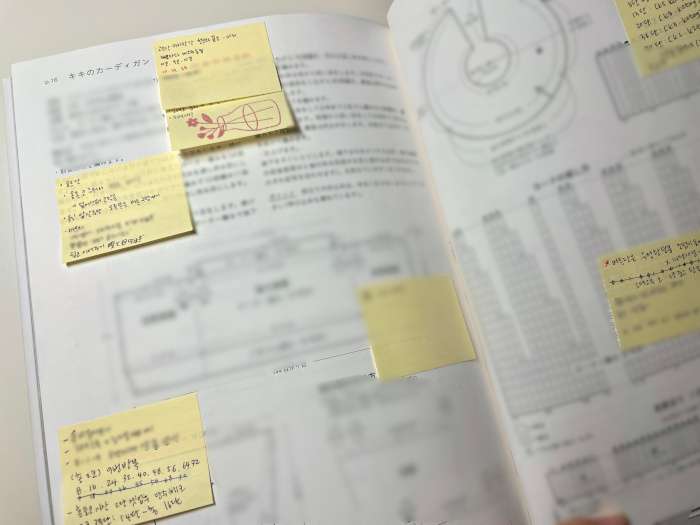
One of the biggest changes this year was finally trying Japanese knitting patterns — something I’d always wanted to do but never felt ready for. I completed three patterns: the fills v-neck tank top, walling b rurumi, and Kiki cardigan.
For the walling b rurumi kit, I followed both the written pattern and the Japanese video instructions. A year ago, I honestly couldn’t have handled even the first line. Now I only need to check a few crafting-specific terms that JLPT textbooks don’t teach anyway. Finishing these projects felt like crossing off a long-time bucket-list item.
📝 Related Posts in This Section →
Reading, Watching, and Exploring Without Subtitles
I also read some Japanese manga I’d been meaning to get to, and I watched more anime with way less dependence on subtitles. Plus, I naturally gravitated toward Japanese YouTube — stationery videos, journaling content, DIY channels. It didn’t feel like “studying.” It just felt… normal, like choosing content I enjoy without thinking twice.
Picking Up New Vocabulary Through Hobbies
Even though I definitely forgot some JLPT vocabulary along the way, I picked up plenty of new words simply by doing what I like. Most of them were niche terms related to knitting, crafts, and everyday expressions I’d never learned before. It reminded me that languages grow the fastest when they’re tied to things you actually care about.
📝 Related Posts in This Section →
The Confidence of Having a Clear Benchmark
Before taking the test, I lived in that uncomfortable space of “I know a little, but not enough to say I know Japanese.” I’d been exposed to Japanese culture since I was younger, and I picked up random words from anime and pop culture. But that almost made things worse — I wasn’t a beginner, yet I wasn’t confident at all.
Passing N1 gave me a baseline I could trust. Now when I start a new hobby or try something unfamiliar in Japanese, I don’t hesitate the way I used to.
I tell myself, “Well, I passed N1. I’m sure I can figure this out.”
And that tiny shift in mindset makes a big difference.
How JLPT Helped Me Build Real Study Discipline
This part surprised me the most. I’ve always loved learning new things, but I tend to jump between interests pretty fast. Once I get comfortable a little, I move on to something else. JLPT was the first time I had a long-term goal and stuck to a structured plan all the way to the end.
I woke up early to study, reviewed vocabulary during short breaks, and did mock exams on weekends. The process took patience — a lot of it — but finishing it gave me a level of confidence I didn’t have before. Now I feel more capable of taking on other ambitious projects. It’s one of the reasons I’m planning a new challenge in 2026 (I’ll talk about that in another post).
📝 Related Posts in This Section →
Enjoying Japanese Content Without Barriers
One of the best parts of knowing more Japanese is simply being able to enjoy the content you like without extra steps. I love exploring stationery culture, planners, and journaling ideas, and Japanese creators have so much inspiring content. Watching their videos without subtitles or translations made the experience feel more direct and personal.
It’s also fun to notice the differences between American, Korean, and Japanese stationery styles. Understanding the language helped me appreciate these cultural details even more.
How JLPT Anchored My Miracle Morning Routine
I’d tried the Miracle Morning several times since 2021, but it never felt stable. I woke up early here and there, but I didn’t have a clear routine or purpose, so it was easy to fall off.
That changed once I started studying Japanese every morning. JLPT became the anchor that made everything else work. I knew exactly how to divide my time: a little review, some grammar, a bit of reading. Through that, I learned how to make the most of short chunks of time.
Now, even if my routine breaks for a few days because of travel or sickness, I can return to early mornings quickly. The habit is solid because it was built with intention — something JLPT gave me.
📝 Related Posts in This Section →
Another Underrated Benefit: Reduced Resistance to Learning
Something unexpected happened after finishing JLPT N1: learning new things didn’t feel as intimidating anymore. Completing a long, structured project makes your brain trust that you can handle complexity and stick with it.
This didn’t just improve my discipline — it made me more open to trying new skills and long-term hobbies without overthinking. That mental shift alone was worth a lot.
My Final Answer: Is JLPT Worth It?
So… is JLPT worth it?
For me, definitely yes.
Even though I wasn’t doing it for work or school, the personal value was huge. I gained confidence, better study habits, more creative freedom, and a deeper connection to the things I already love. If you genuinely enjoy Japanese content and want a structured way to grow, JLPT can be a meaningful and motivating journey.
It’s not easy, but the payoff goes far beyond a test score.
How I Plan to Maintain Japanese in 2026
My goal for next year is simple: don’t lose what I built. I want to start reading Japanese books again and keep small amounts of natural input in my routine. I only have about 15–30 minutes a day to spare, but that’s enough. I know now that consistency matters more than intensity.
Eventually, I want to work on speaking too, since JLPT doesn’t test that at all. One step at a time.
Looking Back, One Year Later
If you’re thinking about taking the JLPT and wondering whether it’s truly worth the effort, I hope this gave you a realistic picture. A year later, I can say that the journey changed my routines, strengthened my confidence, and expanded what I can enjoy.
And for me, that made it absolutely worth it.
📖 Must-Read JLPT Study Tips & Strategies
- JLPT Study Planner with Hobonichi: Timeline and Layout Tips
- What to Do After Passing JLPT N1: How I Found New Motivation
- JLPT Test Results: How I Passed JLPT N1
- What to Expect on JLPT Exam Day: My Experience & Helpful Tips
- Improve JLPT Grammar Score: The Power of Reviewing Mistakes
- How to Improve JLPT Listening: Top Strategies & Tips
Looking for more ways to improve your JLPT study routine? Check out all my JLPT Study Tips for in-depth strategies, exam preparation advice, and motivation!
🕒 Must-Try Productivity & Time Management Tips
- Knitting Journal Notion Template: Your Complete Knitting Tracker
- Morning Pages Prompts: 100-Day Journaling Challenge (Free Download)
- Free Mandala Chart Template for Your New Year Goals
- Time Tracker for Hobonichi Weeks & A6 (Free Download)
- JLPT Study Planner with Hobonichi: Timeline and Layout Tips
Want to manage your time better and stay productive? Explore practical tips and simple time-saving strategies: Browse All Productivity Tips
Explore More in Study






Latest Updates:








Featured Videos: